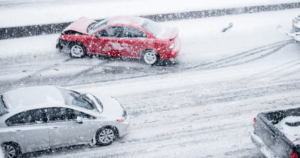
 Winter weather in South Bend brings ice, freezing rain, and sudden bursts of lake-effect snow that make driving significantly more dangerous – especially at intersections where crashes already occur at higher rates. As motorists prepare for the 2025–2026 winter season, certain South Bend intersections stand out as consistently hazardous based on publicly reported crash statistics from earlier in the year.
Understanding where these risks are concentrated can help drivers stay alert and make safer decisions during winter conditions. At Pfeifer, Morgan & Stesiak, we closely monitor local safety trends to better assist collision victims and promote safer travel throughout St. Joseph County.
1. S. Michigan Street & W. Ireland Road
This high-traffic commercial intersection has seen one of the highest collision totals in South Bend this year. Public crash data shows a steady increase in crashes compared to previous years, and the area continued to experience elevated collision numbers into the fall.
Why it becomes more dangerous in winter:
- Black ice can form on the multi-lane approach
- Heavy retail and commuter traffic leads to frequent stop-and-go conditions
- Reduced visibility during sudden lake-effect snow events
2. South Bend Avenue & Ironwood Road
Located near Notre Dame and the busy Eddy Street corridor, this intersection consistently reports a high volume of collisions. Turning traffic, pedestrian activity, and winter weather combine to heighten the risk.
Winter contributing factors:
- Snowbanks limiting line of sight
- Increased foot traffic during campus events
- Vehicles sliding during turns on frozen pavement
3. Chapin Street & W. Sample Street
This intersection saw a notable number of crashes earlier in 2025. It remains a concern as temperatures drop, especially during early-morning freeze cycles.
Why winter makes this intersection hazardous:
- Shaded pavement that refreezes quickly
- Limited traction leading to red-light slide-throughs
- High-speed approaches from multiple directions
4. Portage Road & W. Cleveland Road
Reporting from mid-2025 shows an increase in crashes at this intersection compared to previous years. Higher speeds and winter road conditions may potentially amplify collision severity.
Winter risks include:
- Drifting snow across the roadway
- Difficulty stopping on icy surfaces
- Congestion during school and commuter hours
5. State Road 23 & Douglas Road
A consistently high-volume intersection with a documented pattern of collisions. When snow and ice accumulate, even experienced drivers can struggle with traction and visibility.
Common winter hazards:
- Black ice near the intersection
- High-speed merging
- White-out conditions during heavy lake-effect snow
Why These Intersections Become More Dangerous in Winter
South Bend winters are unpredictable. Rapid temperature swings combined with lake-effect precipitation create conditions that dramatically increase crash risks:
- Invisible black ice forming overnight
- Reduced visibility from blowing snow
- Longer braking distances on untreated pavement
- Lane markings obscured by snow accumulation
- Increased congestion as drivers reduce speed
When these hazards converge at intersections already prone to collisions, winter driving becomes especially dangerous.
Injured in a Winter Intersection Crash? Pfeifer, Morgan & Stesiak Can Help.
If you or someone you love was injured at one of South Bend’s hazardous intersections, you may be eligible to receive financial compensation for your medical expenses, lost wages, and other damages. Our firm has decades of experience representing injured motorists throughout Indiana.
At Pfeifer, Morgan & Stesiak, our auto accident lawyers can help to:
- Investigate the cause of the crash
- Gather necessary evidence
- Handle insurance communications
- Pursue full compensation on your behalf
We offer free consultations, and you pay no upfront fees – we only get paid if we secure compensation on your behalf.
Frequently Asked Questions
What makes an intersection hazardous in winter?
Poor visibility, slick pavement, high-speed approaches, and heavy traffic volumes all contribute to increased crash risk when temperatures drop.
Does lake-effect snow increase accident frequency?
Yes. Sudden bursts of snow and rapid icing dramatically reduce traction and visibility, potentially leading to more collisions.
How is fault determined in a winter intersection crash?
Police and insurance investigators evaluate right-of-way rules, driver behavior, road conditions, traffic signals, and any available camera or witness evidence.
Can road maintenance or design contribute to an accident?
In some cases, improper drainage, inadequate lighting, or slow snow removal may increase danger. Liability may depend on the circumstances and the parties involved.
What should I do after being injured in a winter crash?
Seek medical care, document the scene, get the police report information, and contact a qualified South Bend injury lawyer at Pfeifer, Morgan & Stesiak to protect your rights.